The following offers some thoughts on how NVR can be utilised in response to harm that happens outside of the home.
Adolescence and Extra-Familial Harm
Adolescence, for many, is a stage of thrilling opportunity and exciting possibility. It’s a chance for growing independence and asserting autonomy. To spend time with friends, hang out in new places, experiment with risks and develop an identity separate from parents/carers. For some, this exploration is taking place in contexts and relationships that are both attractive and enticing, whilst simultaneously dangerous and threatening. This pattern characterises many of the relationships of young people facing risk and harm outside of their homes and can pull young people away from safe adults who care deeply about them.
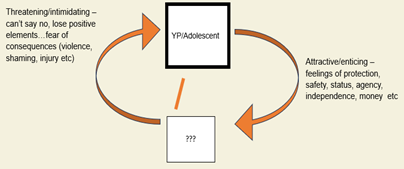
Extra-Familial Harm (EFH) is the umbrella term that professionals use to describe the harms that face children and young people outside of their families and homes. The term groups together issues such as peer violence, intimate partner abuse, exploitation (both sexual and criminal), as well as substance abuse, and children being unaccounted for or missing. Typically, young people will often act against the advice of professionals and parents. They might disconnect from safe adults, refuse to work with professionals and might be trapped by powerful external forces.
What NVR offers to those resisting EFH, facing young people
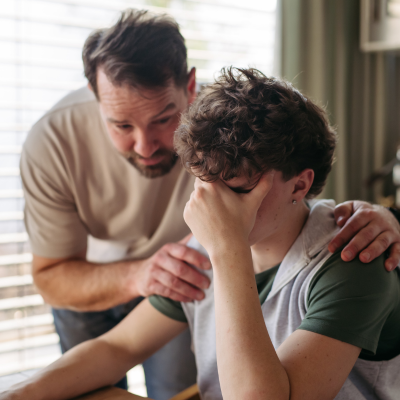 NVR offers something different, centring safe adult presence and reconnection as a way of reducing risk and promoting safety. In stepping out of the “logic of control,” a parent or carer reduces arguments and escalations that might push young people towards dangerous relationships and spaces. Instead, adults raise their presence through actions that don’t require compliance:
“I don’t know where you are so I will go looking for you.”
“You may not come back all night but I will stay up waiting for you.”
These actions promote a sense of agency and start to counteract parental erasure.
Using supporters meetings, safe adults can build a network of family and professional partners who work hard to stay connected to young people in dangerous situations. Messages of concern remind young people that no one is giving up on them:
“Dad told me you were out all night on Friday. When I heard, I was really worried about you. Whatever is going on, I’m here for you.”
 Speaking out about what is happening can help adults to resist the isolation that comes from feeling as though nothing they do makes a difference in the face of EFH. It also promotes communication and counteracts the secrecy and disconnection that so often feature when young people are facing EFH. Reconnecting gestures can rehabilitate relationships that are disrupted by EFH—greeting a young person after a missing episode with the offer of food and a hot shower.
In maintaining connection through calm, consistent and peaceful protest, adults prevent children from being pushed further into harmful relationships. But for this to be possible, the needs of the parents and carers must be met—compassionately listening to their pain is as important as moving into action.
Written by Leanne Bingle
Social Worker & Systemic Therapist
NVR Association (NVRA) Accredited Practitioner
Accreditation Module Participant, 2025